The Seven Stages of Selling, and Where Deals Actually Stall
Selling a home breaks cleanly into seven stages. Almost every deal that falls apart does it at one of exactly two or three of them.
September 2, 2026 · 3 min read
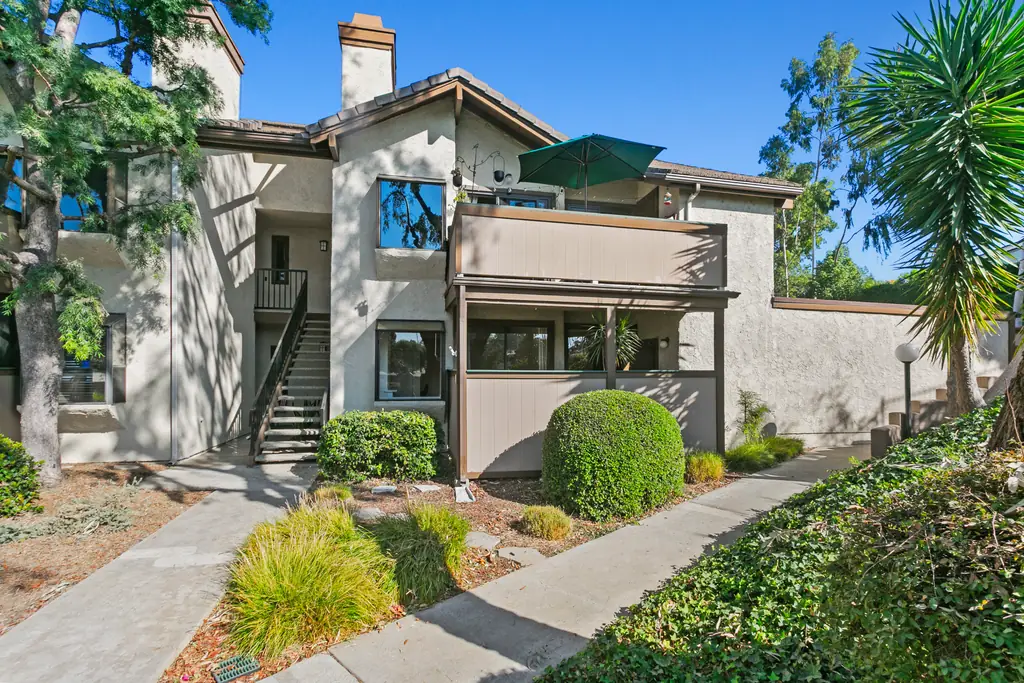
Ask most sellers where a home sale goes wrong and they'll guess the negotiation, some tense back-and-forth over price in the final days. In practice, a sale is far more likely to stall much earlier, before a single offer ever comes in, or much later, after everyone assumed the hard part was already over. Sur West Homes breaks the process into seven stages, and walking through all seven shows exactly where the real risk sits.
The seven stages, named
- Search: choosing an agent and setting real expectations
- Learn: finding out what the home is actually worth through a comparative market analysis
- List: signing the agreement that gives an agent permission to market and sell the home
- Shine: staging, photography, and getting the home camera-ready
- Market: putting the home in front of real, qualified buyers
- Negotiate: coaching through terms, contingencies, and financing
- Finish: closing out inspections, financing, and the final walk-through
Search and Learn: Finding an Agent and Facing the Real Number
The first stage is choosing an agent and being honest about why the home is selling and on what timeline. The second, Learn, is where the seller finds out what the home is actually worth through a comparative market analysis, a comp built from real recent sales rather than hope. This is the first place deals quietly go wrong: a seller who won't accept the CMA's number and insists on listing higher to leave room to negotiate almost always ends up chasing the market down instead, cutting the price weeks later after the listing has gone stale.
List and Shine: The Paperwork and the Presentation
Listing is the agreement that gives an agent permission to market and handle the sale. Shine is where a seller works with a team of stagers, photographers, window washers, and contractors to get the home into its best possible condition before it's photographed. This stage is easy to underfund, either by rushing straight to market or by skipping staging to save money, and it's the second place deals stall before they even start: a home that photographs poorly draws fewer showings, and fewer showings means fewer offers to choose from later.
Market and Negotiate: Exposure Before Terms
Marketing combines online strategy with the practical work that still matters, quality photography, flyers, open houses, and making sure local buyer's agents actually know the home is available. Negotiate is where an agent coaches a seller through terms, contingencies, and a buyer's financing, not just the headline price. This is the stage most sellers expect the trouble to happen, and it does happen here sometimes, but usually because the groundwork in Learn and Shine wasn't solid enough to attract a strong pool of offers in the first place.
Finish: The Third Real Point of Failure
Finish means coordinating with the buyer's agent and lender to make sure every requirement gets met, inspections happen, and financing is fully approved on time. This is the stage sellers assume is a formality once an offer is accepted, and it's the third genuine place a deal can fall apart: an inspection turns up an issue nobody disclosed, an appraisal comes in under the accepted price, or a buyer's financing hits a snag close to closing. A well-prepared file, with disclosures and documentation ready from the very beginning, is what keeps this stage from becoming a crisis instead of a formality.
Where Preparation Buys Back the Risk
Each of these three risk points has the same fix: doing the work earlier rather than hoping it works out later. An honest CMA at Learn instead of a wishful number. A full staging and photography pass at Shine instead of a rushed one. Disclosures, permits, and title pulled clean well before Finish instead of scrambled together once escrow is already open. None of it guarantees a smooth sale, but it removes most of the reasons one falls apart.
The Pattern Underneath All Seven
Deals rarely fail because of one dramatic moment at the closing table. They fail because something got skipped earlier, an honest number at Learn, real preparation at Shine, or a genuinely clean file heading into Finish, and the cost of that shortcut shows up later, usually at the worst possible time. The sellers whose sales go the most smoothly aren't the lucky ones. They're the ones who took every one of the seven stages seriously, especially the parts that don't feel urgent until they suddenly are.
Sur West Homes — (714) 271-6204
Call (714) 271-6204More articles
What a Seven-Day Escrow Actually Requires
A seven-day escrow sounds like luck. It's usually the last step in a process that started weeks before the home ever hit the market.
How Off-Market Listings Really Work in Orange County
A pocket listing never touches the open market. Here's what that actually means for a seller and for a buyer trying to get in.